Attic Water Damage Repair in Denver County, CO
Attic water damage repair services focus on addressing issues caused by leaks, condensation, or flooding that affect the attic space of a property. These projects typically involve removing water-damaged insulation, drying out affected structures, and repairing or replacing damaged roof components, ceilings, and framing. Property owners often inquire about the extent of damage, the potential for mold growth, and the necessary steps to restore the attic to a safe and functional condition after water intrusion.
Homeowners considering attic water damage repair usually want to understand the scope of work involved, including the identification of water sources and the potential for hidden damage. It’s important to assess whether structural elements or insulation need replacement and to ensure proper drying to prevent mold development. Clarifying these aspects can help property owners make informed decisions about restoring their attic space efficiently and effectively.
Many property owners in Denver County, CO look into Attic Water Damage Repair for repairs, replacements, upgrades, and appearance-related improvements.
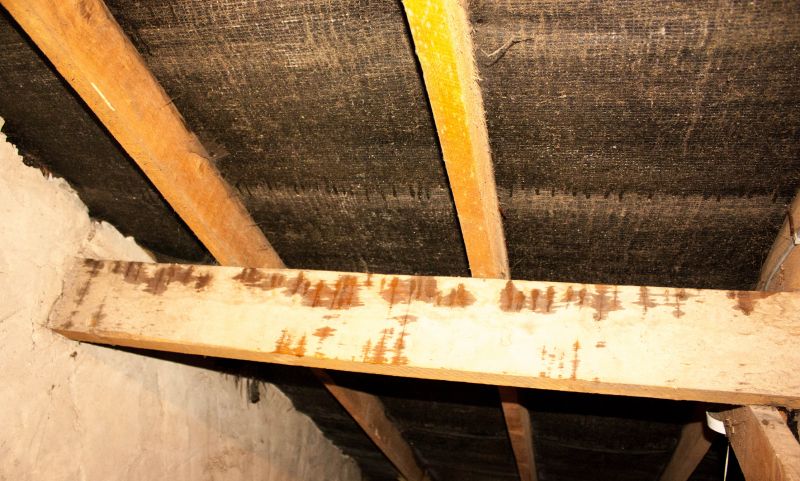
Attic Water Damage Restoration
Addressing water intrusion in attics to prevent structural issues and mold growth.
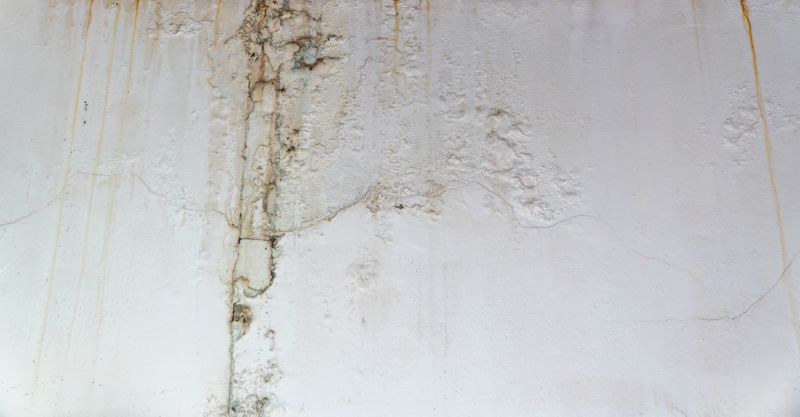
Water Leak Detection In Attics
Identifying hidden leaks that can cause extensive damage if left unattended.
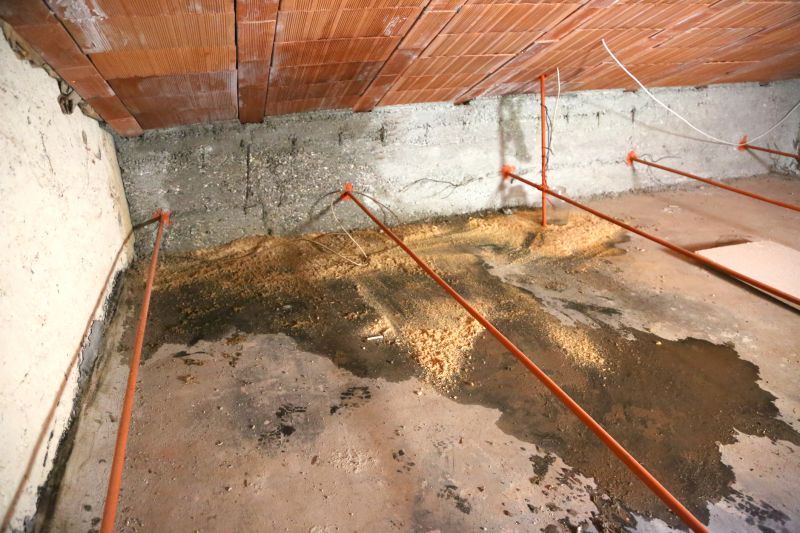
Attic Moisture Control
Implementing solutions to reduce humidity and protect attic spaces in denver county, co.
Attic Water Damage Repair in Denver County, CO
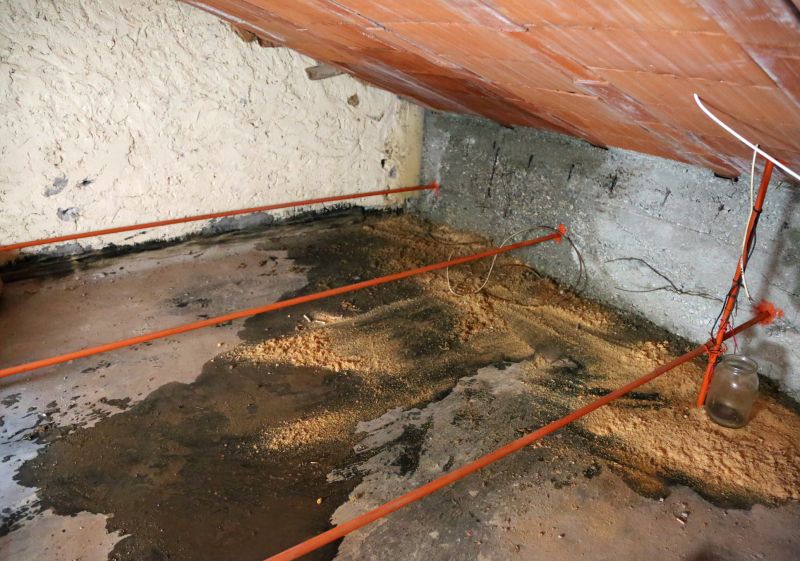
Attic water damage repair services focus on addressing issues caused by leaks, condensation, or flooding that affect the attic space of a property. These projects typically involve removing water-damaged insulation, drying out affected structures, and repairing or replacing damaged roof components, ceilings, and framing. Property owners often inquire about the extent of damage, the potential for mold growth, and the necessary steps to restore the attic to a safe and functional condition after water intrusion.
Homeowners considering attic water damage repair usually want to understand the scope of work involved, including the identification of water sources and the potential for hidden damage. It’s important to assess whether structural elements or insulation need replacement and to ensure proper drying to prevent mold development. Clarifying these aspects can help property owners make informed decisions about restoring their attic space efficiently and effectively.
Many property owners in Denver County, CO look into Attic Water Damage Repair for repairs, replacements, upgrades, and appearance-related improvements.
Common Attic Water Damage Repair Jobs
Attic Water Damage Repair - Restores damaged attic structures caused by leaks or flooding.
Water Leak Restoration - Eliminates moisture and prevents mold growth after water intrusion.
Mold Remediation - Removes mold growth resulting from water damage to improve indoor air quality.
Structural Drying - Uses specialized equipment to thoroughly dry affected attic areas.
Insulation Removal & Replacement - Replaces water-logged insulation to restore energy efficiency.
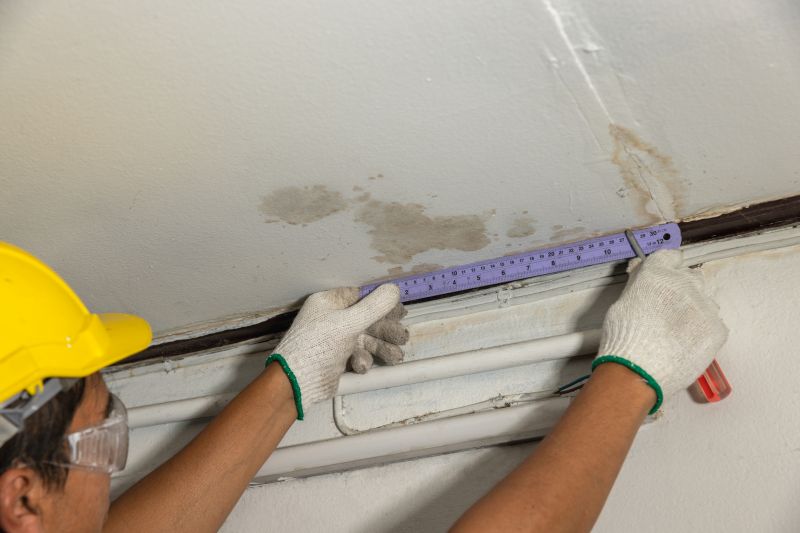
Damage Assessment & Inspection - Identifies the extent of water damage to guide effective repairs.
Attic Water Damage Repair Questions
What causes attic water damage? Water damage in attics can result from roof leaks, plumbing issues, or condensation buildup that leads to moisture intrusion.
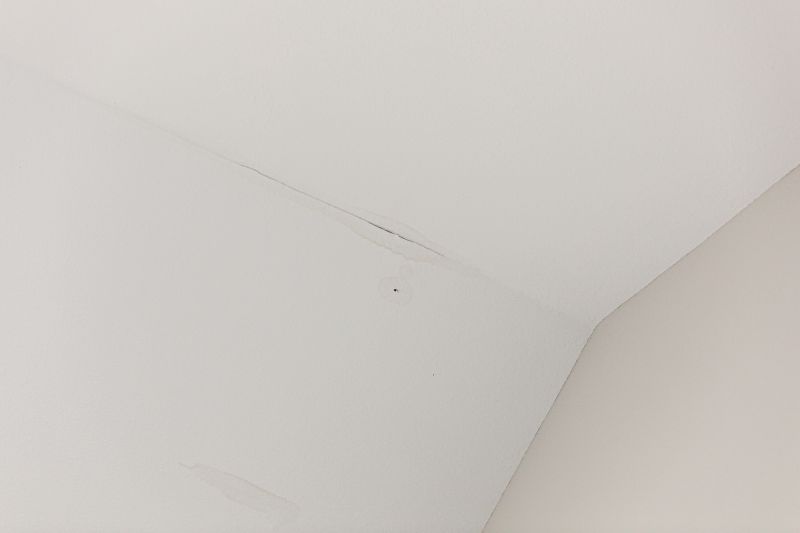
How can water damage in the attic be identified? Signs include water stains, mold growth, warped insulation, and a musty odor indicating moisture presence.
What are common repairs for attic water damage? Repairs often involve removing and replacing damaged insulation, drying out affected areas, and repairing roof leaks or plumbing faults.
Why is prompt repair important for attic water damage? Addressing water damage quickly helps prevent mold growth, structural deterioration, and further property issues.
Request Attic Water Damage Repair in Denver County, CO
Use the quote form on this page to share the basics of your project and request more information for the type of work you need.